Why Homeowners Trust Dunellen General Contractor for Every Project
Why Homeowners Trust Dunellen General Contractor for Every Project
Blog Article
Why Picking the Best General Contractor Is Crucial for Your Project
Picking the right general contractor is a key decision that can substantially affect a project's achievement. A suitable contractor guarantees efficient management and conformance to cost constraints. Their ability to overcome challenges and maintain clear communication is critical. However, many development parties disregard critical aspects in this choosing process. Understanding these elements can lead in better outcomes and enhanced pleasure. What should one consider when taking this major selection?
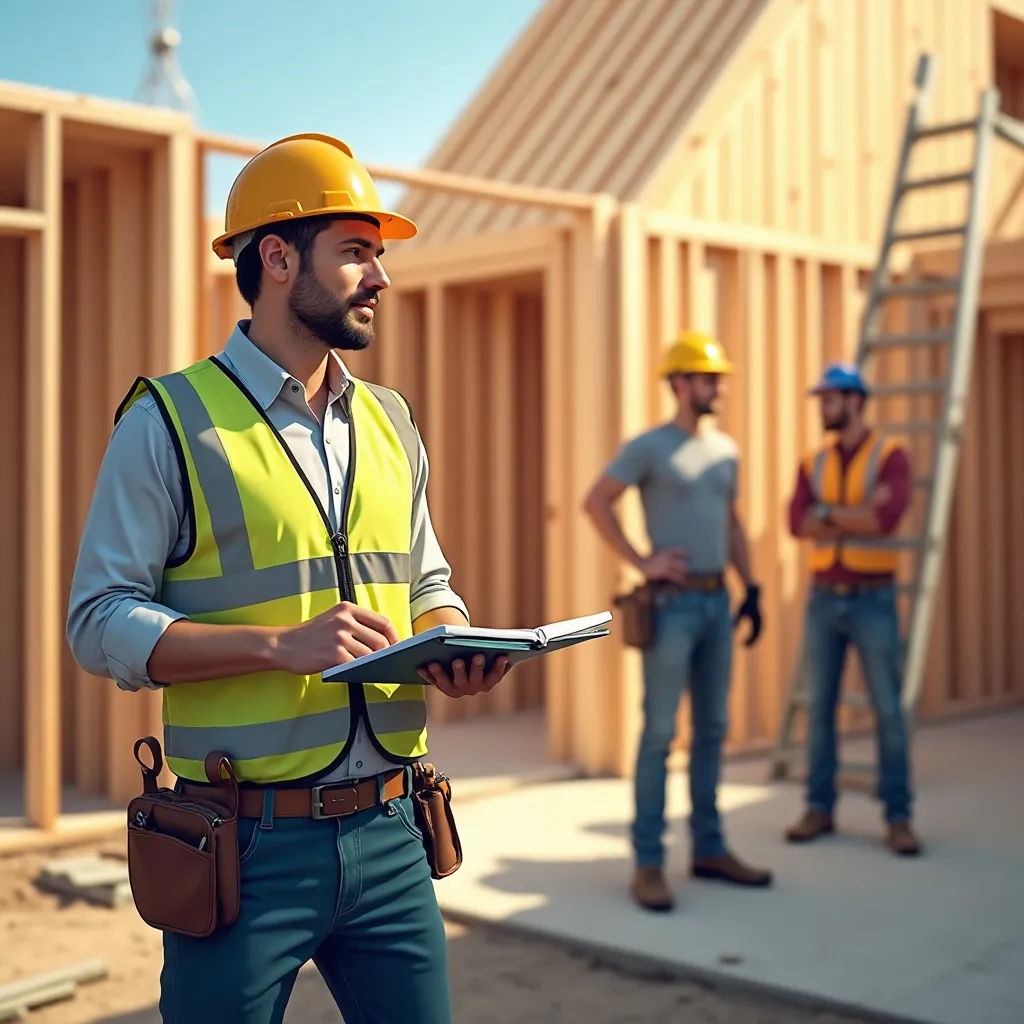
Common Problems in Hiring a General Contractor
When selecting a general contractor, prospective customers often encounter several common difficulties that can impede the selection process. One major obstacle is the vast quantity of choices on offer, which can cause confusion and indecision. Customers may find it hard to differentiate between contractors based on credentials, background, and cost, rendering it difficult to identify who will best satisfy their project needs.
An additional challenge is the opaqueness in contractor bids, where concealed expenditures may surface, impacting the project budget. Additionally, clients may struggle with related to communication issues; some contractors may be remiss to keep clients informed across the process, causing discontent. Finally, clients often battle authenticating a contractor's recommendations and past work, which can lead to indecision about the service caliber anticipated. These hindrances necessitate intentional analysis and examination to guarantee the right choice is made.
Necessity of a Responsible General Contractor
A dependable general contractor plays an crucial role in ensuring project management efficiency and maintaining quality assurance guidelines. Their expertise helps streamline processes, minimizing delays and costs. Additionally, a trustworthy contractor upholds high standards, resulting in excellent workmanship and client contentment.
Enhance Project Management Efficiency
Successful project execution is dependent on the reliability of a general contractor. A reliable contractor promises that timelines are respected, resources are properly distributed, and communication flows effortlessly among all stakeholders. Their expertise in coordinating subcontractors, suppliers, and laborers has a direct influence on the project's progress and success overall. A reliable contractor anticipates obstacles, implements remedies promptly, and maintains focus on project objectives, minimizing setbacks and budget excesses. This efficiency creates a collaborative atmosphere, enabling adjustments and improvements as needed. Ultimately, the general contractor's trustworthiness enhances both project operations and trust among clients and team members, guaranteeing all stakeholders stay coordinated towards a successful conclusion.
Quality Verification Standards
Trustworthy construction professionals play a pivotal role in upholding quality assurance standards throughout the project duration. They assure that the work follows established guidelines and industry best practices, essential for the durability and safety of the structure. A competent contractor oversees materials and workmanship closely, carrying out routine inspections to identify and fix issues promptly. This proactive method mitigates risks connected with poor construction, ultimately safeguarding the investment. Additionally, a reliable contractor promotes communication between all stakeholders, ensuring expectations are transparent and met. Prioritizing quality assurance, a skilled general contractor not only betters the final product but also builds client trust, setting the foundation for successful project completion.
Analyzing a Contractor's Track Record and Industry Standing
When picking a general contractor, understanding their expertise and credibility is important, as these aspects heavily influence project outcomes. A contractor's experience typically reflects their ability to manage various kinds of projects, complexities, and difficulties. Looking at their work samples gives perspective into past projects, showcasing quality workmanship and careful attention to specifics.
Furthermore, track record plays a vital role in building trust. Prospective clients should seek web-based feedback, testimonials, and references to assess satisfaction levels from previous clients. Engaging with past customers can reveal the contractor's reliability, communication skills, and adherence to timelines and budgets.
Moreover, industry affiliations and certifications can fortify a contractor's credibility, conveying a devotion to quality and ethical practices. By thoroughly evaluating both proficiency and prestige, clients can determine the best choice, ultimately setting the stage for a successful construction project.
Vital Characteristics of a Reliable Contractor
A reliable contractor regularly demonstrates integrity, openness, and excellent communication skills. These vital qualities create the foundation of a prosperous professional partnership. Integrity guarantees the contractor adheres to moral standards, offering truthful evaluations and realistic timelines. Openness entails fully disclosing assignment information, including expenses and potential challenges, fostering confidence between the contractor and the client.
Powerful interpersonal skills facilitate the contractor to express ideas effectively, listen to client requirements, and tackle any issues that surface during the project. Moreover, a dependable contractor exhibits adaptability, reacting to shifts and unexpected circumstances with composure and resilience. Keen attention to detail is another key trait; it underscores a commitment to excellence and accuracy in every component of the work. Ultimately, these characteristics not only strengthen project outcomes but also enrich a positive experience for clients, making the selection of a trustworthy contractor all the more critical.
Essential Considerations When Engaging Your General Contractor?
What method can a person take to ensure they pick the right general contractor for their project? By posing a series of specific questions, potential clients can more effectively evaluate candidates. First, asking about the contractor's experience with comparable assignments provides insight into their expertise. It's also essential to ask for references; conversing with previous clients can uncover the contractor's reliability and standard of work.
Next, discussing licensing and insurance confirms that the contractor satisfies legal requirements and safeguards the client from possible liabilities. Clients should also ask regarding timelines and project management approaches to gauge how the contractor intends to manage the project effectively.
Budget meetings are vital; asking for a thorough estimate prevents unexpected expenses later. Finally, understanding the contractor's preferred way of communicating can lay the groundwork for a productive working relationship. By addressing these key questions, clients can choose wisely in choosing their general contractor.
Communication Is Critical With Your Contractor
Effective communication with a contractor is crucial for project success. Setting clear expectations and delivering prompt information can prevent confusion that often lead to costly delays. Additionally, promoting an open discussion cultivates confidence, guaranteeing a smoother partnership throughout the construction process.
Clear Expectations Establish Achievement
Creating explicit expectations is crucial for a fruitful partnership with a general contractor. Strong communication establishes the basis for understanding the objectives, schedules, and budget limitations of the project. When both parties voice their needs and concerns, it minimizes the risk of misunderstandings that could derail progress. A contractor who understands the specific requirements can allocate resources efficiently and address potential challenges in advance. Moreover, transparent expectations fosters accountability, guaranteeing that the contractor keeps promises and that the homeowner remains involved throughout the process. By emphasizing open dialogue from the beginning, clients can enhance cooperation and satisfaction, ultimately leading to a more efficient project completion. Clear expectations not only simplify processes but also build trust between the homeowner and the contractor.
Timely Updates Prevent Miscommunications
Setting defined expectations lays the foundation for productive collaboration, although consistent communication remains equally important. Timely updates from a general contractor can prevent miscommunication that could arise over the course of a project. When construction teams regularly share progress updates, customers remain informed on schedules, cost changes, and potential complications. This forward-thinking interaction helps synchronize both parties' expectations and lessens the risk of disputes further down the line. Moreover, if problems arise, prompt notification allows for quicker fixes, guaranteeing the work stays on course. By establishing a culture of candid communication, builders show their commitment to the job's accomplishment, in the end yielding a more streamlined workflow and increased client gratification. For this reason, prompt updates function as a cornerstone for maintaining understanding and trust over the course of the building endeavor.
Open Discourse Develops Trust
During a project's development, sustaining an candid exchange with the lead contractor becomes crucial for fostering trust and partnership. Clear communication promises that all stakeholders have a precise understanding of standards, timeframes, and potential issues. When project managers and clients participate in regular discussions, it allows for the spotting of troubles before they escalate, decreasing disruptions. This openness not only fosters confidence but also enhances the overall construction experience. Additionally, an open line of communication supports commentary, allowing the construction expert to make adjustments that satisfy the client's desires. Ultimately, powerful dialogue forms a foundation of mutual respect, which is necessary for the proper completion of any construction job. Trust cultivated through conversation leads to better outcomes for everyone involved.
Frequently Requested Questions
How can I verify if a Contractor holds a License?
To determine if a contractor is authorized, one should inspect local governing bodies and internet sites, validate their license number, and verify it's active. Additionally, perusing online reviews can furnish knowledge about their credibility and reliability.
What Coverage Should My Builder Carry?
A contractor should carry general liability insurance, occupational injury insurance, and, if applicable, professional liability insurance. These address potential damages, employee injuries, and construction defects, ensuring fiscal safety for both the contractor and the client.
What Procedures Should I Follow to Assess a Professional's Client Feedback?
To assess a contractor's background, one should request a inventory of former clients, contact them personally, and inquire about their impressions. In addition, studying online reviews and ratings essential guide can supply important information into the contractor's credibility.
What Should I Take Action if Issues Occur During the Project?
If issues arise during the project, one should document the problems, speak openly to the contractor, and seek a resolution. If necessary, bringing in a mediator or consulting a legal professional may also be suitable.
Are There Warning Signs to Monitor During the Hiring Process?
Red warning signs during the hiring process include unclear pricing, missing credentials, poor communication, missing certifications, and unfavorable ratings. These signals suggest potential issues that could affect the quality and schedule of the project.
Report this page